Breed guide

Best food for a Pomeranian

Portions, ingredients and vet-informed tips for feeding a Pomeranian, a small, medium-energy dog.

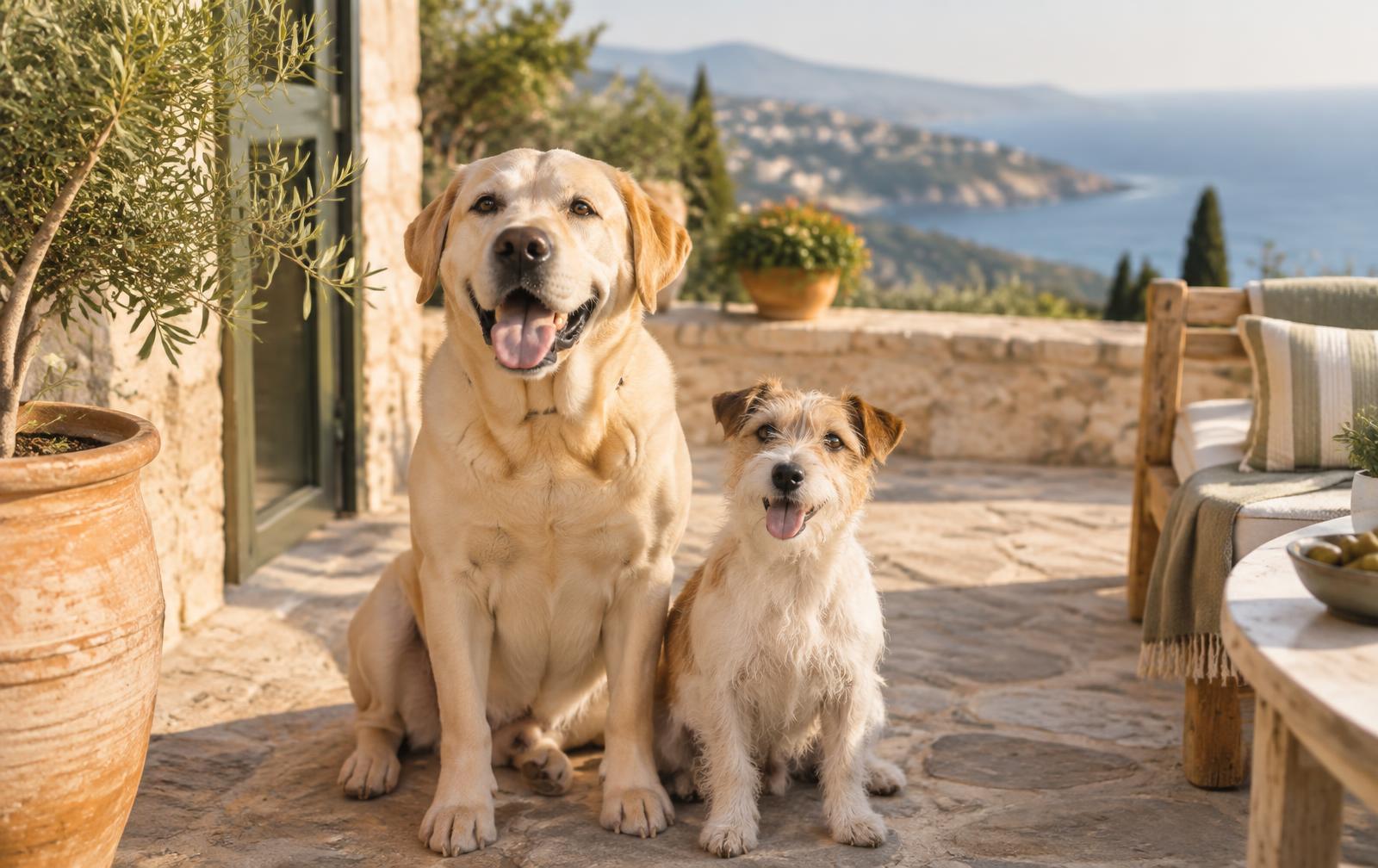
A Labrador and a terrier sitting together on a sunny Cyprus terrace

2 min read · Reviewed by the Organic Dog Chef team

01

What does a Pomeranian need?

Pomeranians need portions that match a small frame and medium energy level, with particular attention to dental problems and coat care.

02

How much should they eat?

As a starting point, adult small dogs usually eat about 3–3.5% of their ideal body weight per day, split across two meals.

03

Which ingredients suit them?

Prioritise a balanced meal built around identifiable protein, appropriate fat and digestible ingredients; extras should support the diet rather than unbalance it.

01

What does a Pomeranian need?#

Pomeranians need portions that match a small frame and medium energy level, with particular attention to dental problems and coat care.

Pomeranians are small enough that dental crowding is common, and their thick double coat benefits from good nutrition to stay healthy through seasonal shedding. Being tiny, they also need concentrated nutrition in small portions.

02

How much should they eat?#

As a starting point, adult small dogs usually eat about 3–3.5% of their ideal body weight per day, split across two meals. This is only a starting point — always adjust by body condition, age and activity rather than sticking rigidly to a number.

Because individual metabolism varies, watch the dog in front of you: feel for the ribs, look for a defined waist and adjust measured food slowly if condition begins to drift.

03

Which ingredients suit them?#

Prioritise a balanced meal built around identifiable protein, appropriate fat and digestible ingredients; extras should support the diet rather than unbalance it.

A named protein with good levels of omega fatty acids supports their coat, while appropriately sized food helps with dental comfort. Avoid overfeeding, since small breeds gain weight quickly on excess calories.

04

Signs it's working#

A thick, glossy coat, fresh breath and a steady, healthy weight all suggest the diet is working well.

Changes in digestion can appear quickly, while skin and coat often take longer. Keep the recipe and portions consistent enough to make your observations meaningful.

05

When to call your vet#

Bad breath, tartar build-up, or a dull, thinning coat are worth mentioning to your vet.

Use this guide for everyday feeding decisions, not as a substitute for an examination. Your vet should assess any sudden change or symptom that concerns you.

06

How Organic Dog Chef can help#

Visit Organic Dog Chef with the details that matter for your Pomeranian — age, ideal weight, activity, sensitivities and veterinary advice — and we will help you choose a clear, manageable starting point.

Visit us in Larnaca, Limassol or Nicosia, or use the meal finder on our home page for a starting suggestion. We're always glad to help you fine-tune portions, ingredients and supplements as your dog's needs change.

Interactive tool

Daily portion calculator

380 g

fresh/raw food per day (2.5% of body weight)

190 g

per meal, twice a day

A starting point only. Adjust by body condition, and check with your vet for puppies, pregnancy or health conditions.

Not sure what to feed your dog?

Try our meal finder for a personal match, or browse the shop.